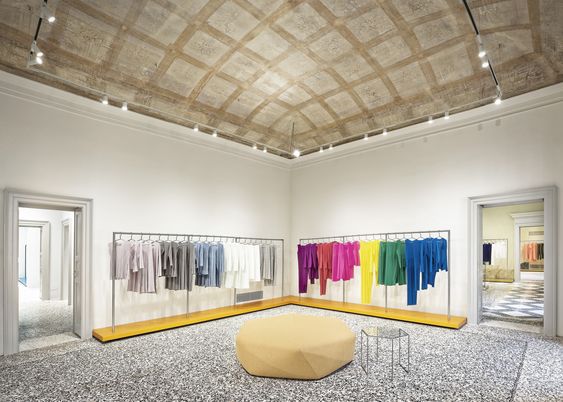
So, I was thinking that seeing as this blog is meant to be fashion blog, I should probably write my first fashion post. About time too.
Rather than a style post, I’ve decided to start off with a topic of significant interest to me, which is visual merchandising (VM). As a fashion business student, this topic comes up frequently within my degree as it is a crucial aspect of branding within companies that have brick and mortar stores. Now of course I am no expert on the subject however I hope that this brief insight is of interest to some of you 🙂
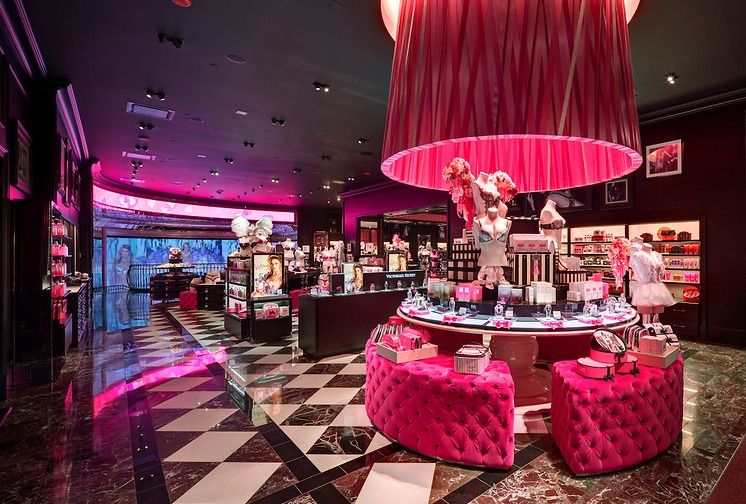
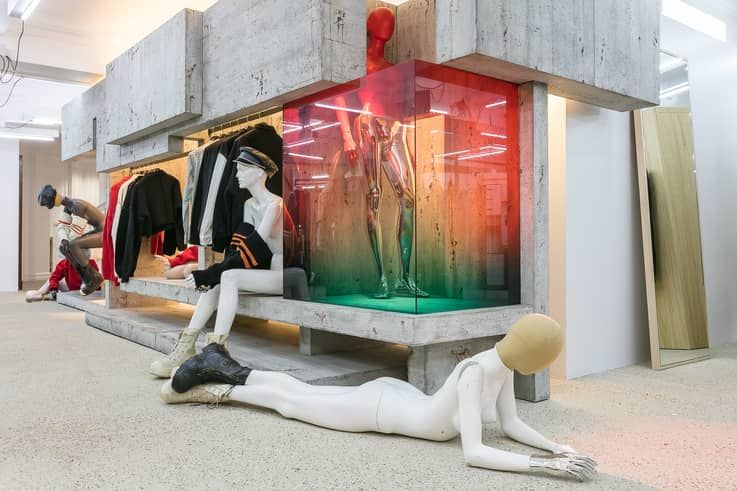
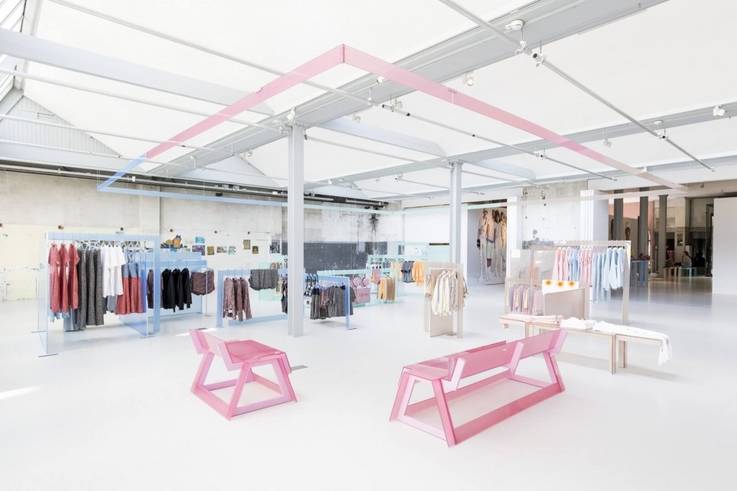
Visual merchandising can make or break the shopping experience. With the rise in online shopping, it is now more important than ever that stores display their stock in an attractive and organised way. If done correctly this will increase the selling potential and encourage consumers to continue shopping brick and mortar. In short, VM relates to the store’s windows, their inside layout, their façade, the fixtures, lighting and colours that feature throughout the store (Buchanan et al, 1999; Kerfoot et al., 2003).
So, what are the main functions of visual merchandising? Firstly, VM is used to persuade consumers to take a certain action such as to purchase or to return to the store. This is done through the stimuli that exists in the atmosphere of the store as it should address the actual and emotional needs of the consumer (Anon, 2012). Furthermore, VM also brings the customers into the store in the first place through the chosen window display. Morgan (2011) states that VM also presents the brand image and identity as well as their retail strategy.
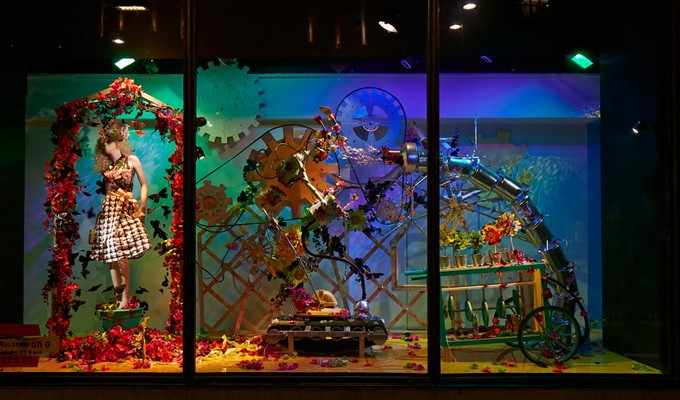
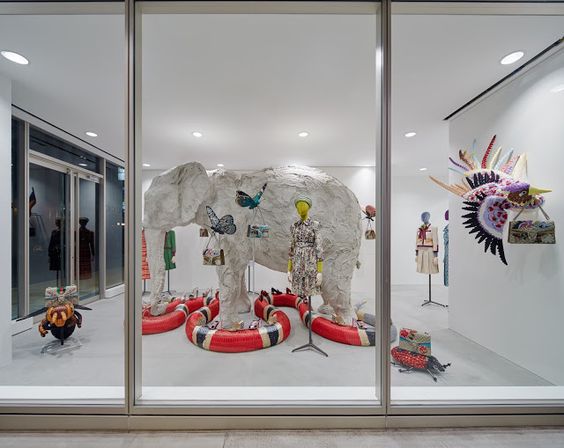
This is one of Harvey Nichols’ window displays which are known for being very extravagant and decorative. They effectively tell a story, drawing customers to the store. Personally, when I walk past one of their stores, I always stop and admire the displays as they are so unique, always managing to catch my eye through their use of colours and extreme attention to detail. The mannequins tend to be styled wearing well known luxury brands that are on trend and that will appeal to their target market.
Brands must be very careful with their VM as if they get it wrong, they could potentially be promoting a concept or a style that is not associated with their brand or their identity, therefore attracting the wrong customer base.
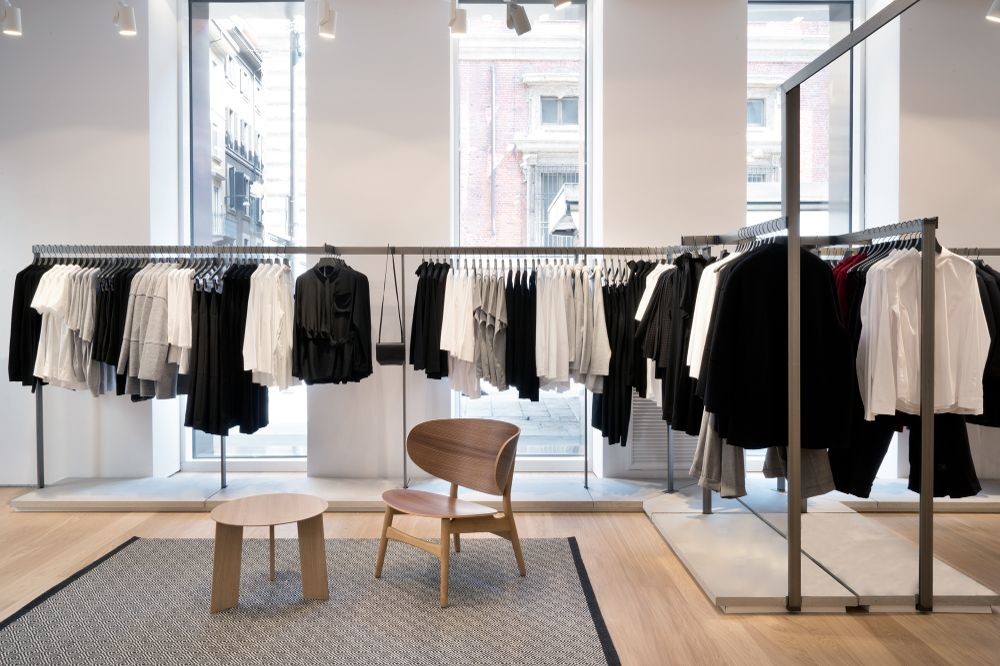
It will be interesting to see how VM develops over the next couple of years. Undoubtedly technology will become more of a feature of VM but how far will this go? I am looking forward to finding out.
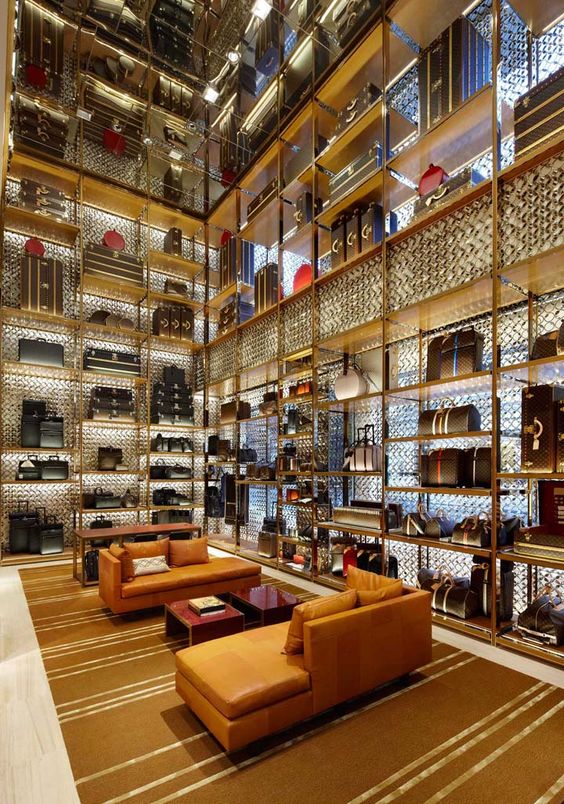

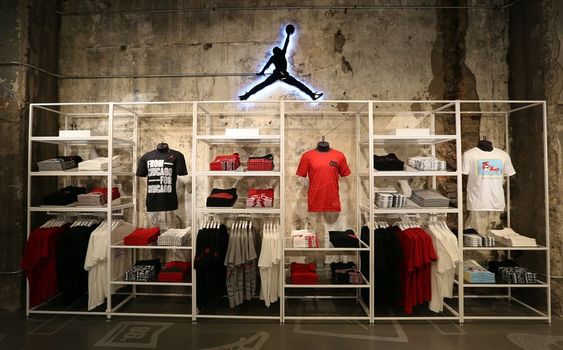
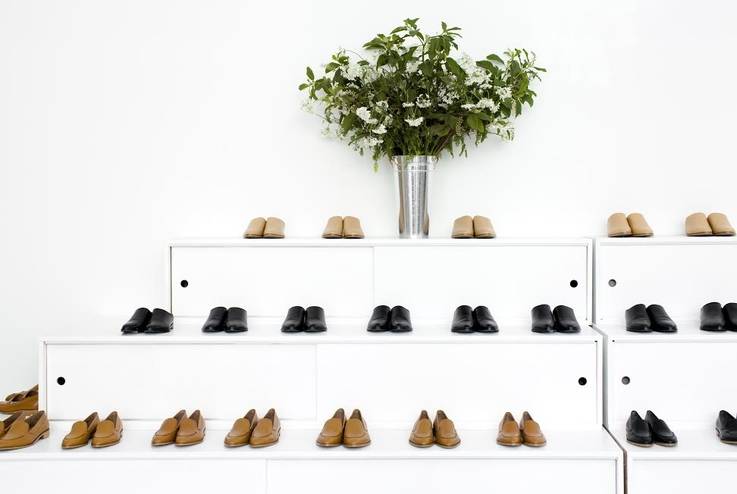
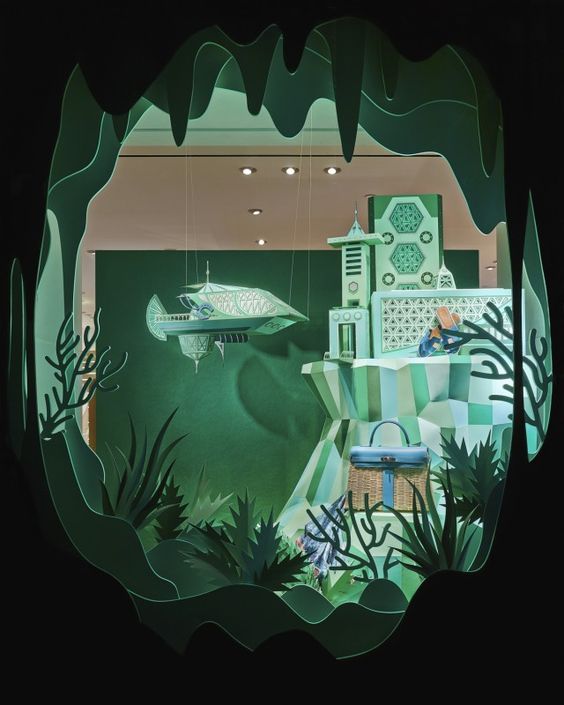
Let me know in the comments what stores you think have the best VM displays.
Katie x
References
ANONYMOUS, 2012. Visual Merchandising strategies. Strategic Direction [online]. 28 (10), pp.12-14. Available from: 10.1108/02580541211268393
BUCHANAN, L., SIMMONS, C.J. & BICKART, B.A., 1999. Brand Equity Dilution: Retailer Display and Context Brand Effects. Journal of Marketing Research [online]. 36 (3), pp. 345-355. Available from: https://doi.org/10.1177/002224379903600304
KERFOOT, S., DAVIES, V. & WARD, P., 2003. Visual merchandising and the creation of discernible retail brands. International Journal of Retail & Distribution Management [online]. 31 (3), pp. 143-152. Available from: https://www.emerald.com/insight/content/doi/10.1108/09590550310465521/full/html
MORGAN, T., 2011. Visual Merchandising. Window and in-store displays for retail. 2nd ed. London: Laurence King Publishing Ltd. Available from: https://ebookcentral.proquest.com/lib/gcal/reader.action?docID=1876110

 Luna Kay